Travel Documentation
Are Dummy Tickets Safe & Legal? 2026 Visa Guide
- Author
 Reed Ashworth
- Published
- Updated
- Read time
- 9 min
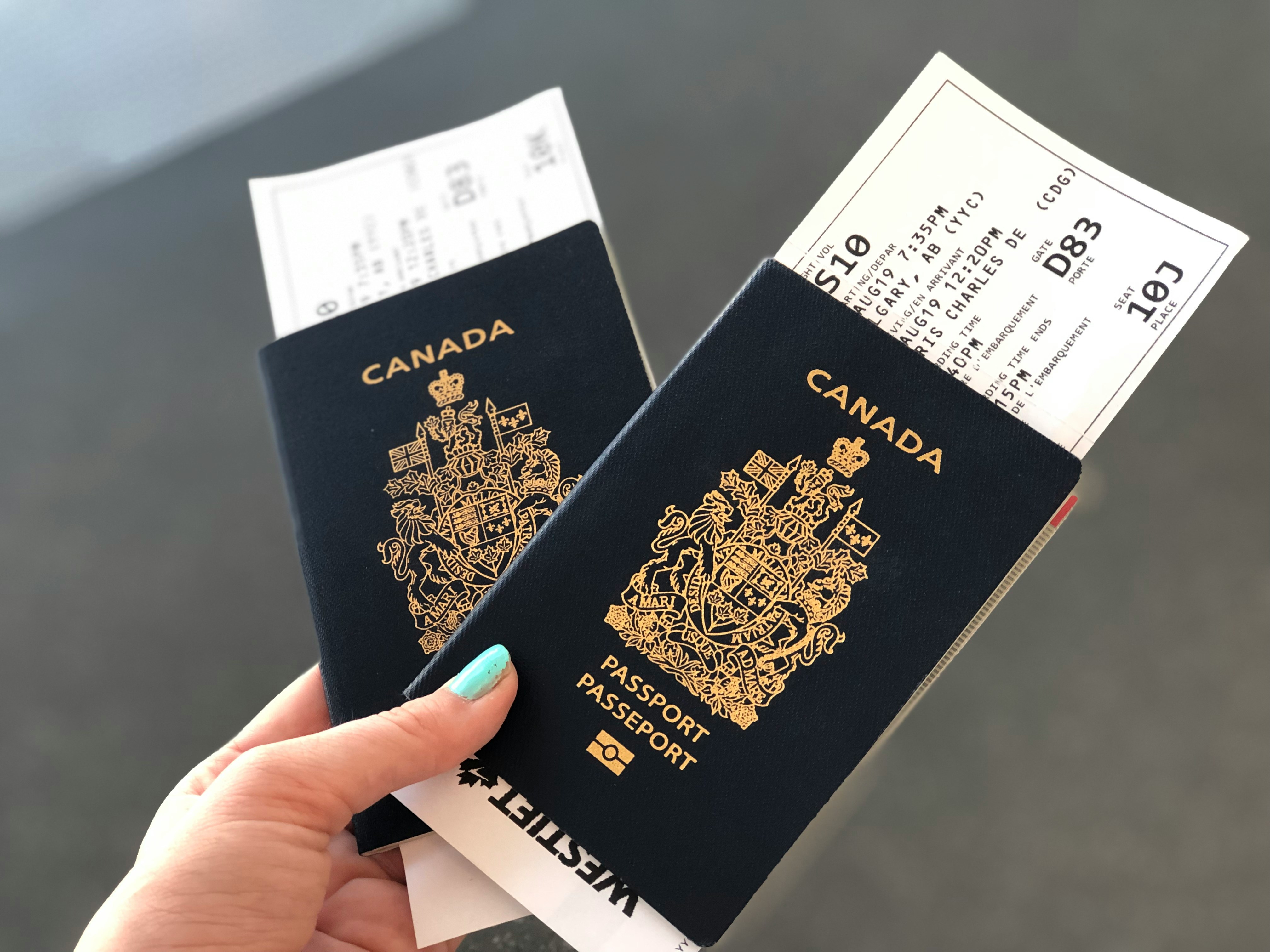
Learn what a dummy ticket is, whether it is safe and legal for a visa, how embassies verify a real PNR, and how to avoid fake itineraries before you book.
Most visa applications ask for proof of onward or return travel. Almost no one wants to buy a full, non-refundable flight before the visa is even approved. That gap is why dummy tickets exist, and it is also where a lot of confusion, and a fair amount of bad advice, starts.
This guide answers the questions people actually ask before they book: what a dummy ticket really is, whether it is legal, whether it is safe, how an embassy checks it, and how to tell a real reservation apart from a worthless generated PDF.
What is a dummy ticket?
A dummy ticket is a real, temporary flight reservation you use as proof of onward travel, without paying for the full fare. The more accurate name is a flight reservation or flight itinerary: a genuine hold on a seat that carries a valid PNR (Passenger Name Record) you can look up on the airline's website.
The word "dummy" is misleading. It suggests something invented, when a proper dummy ticket is a legitimate booking in an airline's system that simply hasn't been paid off into a final ticket. It holds your name, the flight numbers, and the travel dates an embassy wants to see, and it expires on its own if it isn't converted into a paid ticket.
So there are really two different things sold under the same name. One is a real reservation with a verifiable PNR. The other is a picture of a ticket with no booking behind it. The rest of this guide is mostly about telling those two apart, because that difference is what makes a dummy ticket safe or risky.
Are dummy tickets legal?
Yes. Showing a flight reservation instead of a paid ticket is a normal, accepted part of the visa process, not a trick. Embassies ask for proof that you plan to leave; a reservation with a real PNR is that proof. It is a genuine booking, and you are not claiming to have paid for a flight you haven't. Using a genuine reservation honestly is legal; editing or inventing documents is not.
Several missions say so directly, and even tell you not to buy the ticket yet:
You do not need to buy a full flight ticket when applying for your visa, but must show proof of booking or reservation.
Confirmed reservation of the round-trip flight ticket… Remark: Please do not buy the ticket before the visa is issued.
The line that matters for legality is the one people cross when they buy a fabricated PDF from a generator. A real reservation is honest: it exists, it is checkable, and it says exactly what it is. A generated itinerary with no booking behind it is a document made to look like something it isn't, and presenting one to an embassy is where you move from using a reservation to submitting a fabricated document. Stay on the reservation side and there is no legal grey area.
Are dummy tickets safe to use?
Safe, when the reservation is genuine and verifiable. Risky, when it isn't. That is the whole answer, and everything below is how to stay on the safe side.
A dummy ticket is safe when it is a real reservation with a valid PNR that an embassy or border officer can check on the airline's own website. Reputable services and licensed agencies issue exactly this kind of booking, and most embassies and visa centres accept it as proof of onward travel. It is the fabricated kind that gets people into trouble:
- A generated PDF with no real booking fails the moment anyone looks it up, and can sink the whole application.
- An unverifiable itinerary at the airport can stop you boarding, since many airlines check onward travel before they let you fly.
- A cheap "too good to be true" seller often means no reservation was ever made.
The safe version and the risky version can look identical on paper. The only thing that separates them is whether the PNR resolves to a real booking when someone types it into the airline's site.
Dummy ticket vs a paid flight ticket
It helps to be precise about what you are and aren't buying.
| Flight reservation (dummy ticket) | Fully paid ticket | |
|---|---|---|
| Payment | Small fee for the reservation | Full fare paid |
| Status | Temporary hold with a PNR | Confirmed seat, ticketed |
| Verifiable | Yes, on the airline site | Yes |
| Expires | Yes, on its own | No |
| Good for | Visa proof before approval | Actual travel |
A paid ticket is a contract to fly. A reservation is a short-lived hold that proves intent without the financial commitment. For a visa file, the reservation is usually all the embassy is asking for, which is the entire point of using one.
What makes a reservation "embassy-ready"
Not every reservation is worth submitting. A few details decide whether it holds up:
The PNR has to be active and resolve to a real entry in the airline's system, and the name on it must match your passport exactly. A mismatched name reads as a discrepancy, which is a problem in any visa file. The itinerary should look like a normal booking confirmation: full airline name, a flight number for each leg, real dates and times, and the airport codes. And the dates have to line up with the rest of your application, your stated stay, your hotel bookings, and your cover letter. If your form says you arrive in mid-June and leave at the end of the month, the flights should say roughly the same. Inconsistencies are what make a consular officer look twice.
How embassies verify your booking
Consular staff do check, and the method is simple: they open the airline's website, go to "Manage Booking," and enter your PNR and last name. If a real reservation exists, it shows up. If nothing resolves, the document is worthless to them.
One practical wrinkle catches people out. A few airlines don't index "Manage Booking" by the reference printed at the top of the confirmation; they use their own record locator instead. Turkish Airlines is a common example. If a lookup comes back empty, it is usually this, not a dead booking, so use the airline's own record locator from the confirmation rather than assuming the reservation failed. A good provider gives you the code that actually works on the airline's site.
Because verification is this easy, an unverifiable document is a bad bet. Some embassies now run more automated document checks, so "they probably won't look" is not a plan.

Real reservations vs fake generators
If you take one thing from this guide: never use a site that "generates" a ticket. A generated itinerary is a formatted PDF with no reservation behind it. It cannot be verified, and the failure mode is the worst one: a refusal on your record, at the exact moment you can't fix it.
A real provider makes an actual booking in the airline's system and gives you a PNR you can check yourself before you ever submit it. That self-check is the tell. If you can open the airline's site, enter the code, and see your flight, so can the embassy. If you can't, neither can they, and that is the problem.
How to get a safe dummy ticket
A reservation with a real, verifiable PNR is exactly what DummyTicket24 issues: a genuine booking for $14, delivered to your inbox in about a minute, that you can look up on the airline's website. It stays live and verifiable for 48 hours by default, which covers a same-day or next-day embassy submission or check-in.
If your file will sit on a desk for longer than that, buy a longer window at checkout rather than hoping the default stretches: 7 days for $8, or 14 days for $12, counted from the time you order. A consulate that opens your file days after the appointment and finds a booking that has already lapsed learns nothing useful, so match the window to how long the file stays open, not to how soon you fly.
Two honest points. First, within 24 hours of receiving it, each booking includes one free replacement that can change the date, the airports, or both; we don't extend a booking, and a second customer-requested change requires a new order. Second, for a process you know will take weeks, a fully refundable ticket you cancel after approval is the most bulletproof option, it is just far more expensive and ties up the full fare while you wait. For the common case, "I need verifiable onward proof for a submission or a check-in," a real reservation does the job for a fraction of that.
Country-specific onward ticket guidance
Enforcement varies enormously by destination, and it often decides whether airline check-in even lets you board:
- India onward ticket requirements: strictly enforced at check-in for e-Visa holders
- Thailand onward ticket requirements: airlines verify before boarding
- Turkey onward ticket requirements: checked by airlines for Istanbul flights
- United Arab Emirates onward ticket requirements: needed for visa applications and arrivals
- United States onward ticket requirements: frequently asked at B1/B2 interviews
Browse the full list of country-by-country onward ticket guides.
FAQ
Do all embassies accept dummy tickets?
Most accept a flight reservation with a valid PNR, and many explicitly tell you not to buy a ticket before approval. Always confirm the exact wording for the mission handling your case, since a few ask for specific documents.
Is a dummy ticket the same as a fake ticket?
No. A dummy ticket is a real temporary reservation in an airline's system with a checkable PNR. A fake ticket is a generated document with no booking behind it. The first is accepted; the second can get a visa refused.
Can I just show a screenshot of an itinerary?
No. The embassy or border officer needs to verify the PNR on the airline's website. A screenshot with no real booking behind it proves nothing and can backfire.
What happens if my reservation expires before my visa is approved?
A reservation is temporary by design. If your processing runs past it, book a fresh reservation for the dates you need rather than trying to stretch an old one. For a long, known wait, a refundable ticket you cancel after approval is the safer route.
Is a refundable ticket better than a dummy ticket?
It is the safest, because it is a real confirmed ticket, and it is what we'd suggest for a slow process like a Schengen file. It also costs the full fare up front and refunds can take weeks. For most applicants a real, verifiable reservation is cheaper and does what the embassy asks.
Need onward proof for a visa? Get a real, verifiable reservation in about a minute from DummyTicket24, trusted by thousands of travelers worldwide.
Keep reading
 Do Embassies Verify Dummy Tickets? What Really HappensYes, embassies and visa centers can verify a dummy ticket's PNR in airline systems, so submit a genuine, verifiable reservation that matches your visa file.17 min read
 Onward Flight Ticket Requirements: Best 2026 Visa GuideLearn onward flight ticket requirements for 2026 visa applications: when proof of onward travel is required, what documents count, and how to avoid visa denial.12 min read
 Flight Reservation vs Flight Ticket for VisaA Schengen flight reservation is a verifiable PNR-based booking used as proof of travel, not a paid ticket, and it never guarantees visa approval.22 min read